Overview of Laser Teeth Whitening for Coffee Drinkers Romford
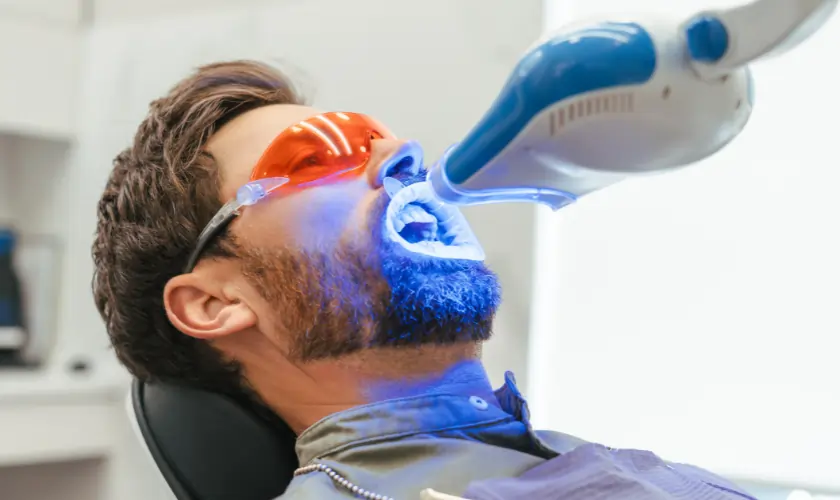
Laser teeth whitening is a widely sought-after cosmetic procedure that uses a hydrogen peroxide gel activated by a laser to remove deep stains and enhance tooth colour. This treatment is particularly appealing to coffee drinkers, who often contend with persistent discolouration due to their beverage of choice. The procedure is non-invasive and typically completed in less than an hour, allowing individuals to experience rapid results that can significantly improve the appearance of their smile.
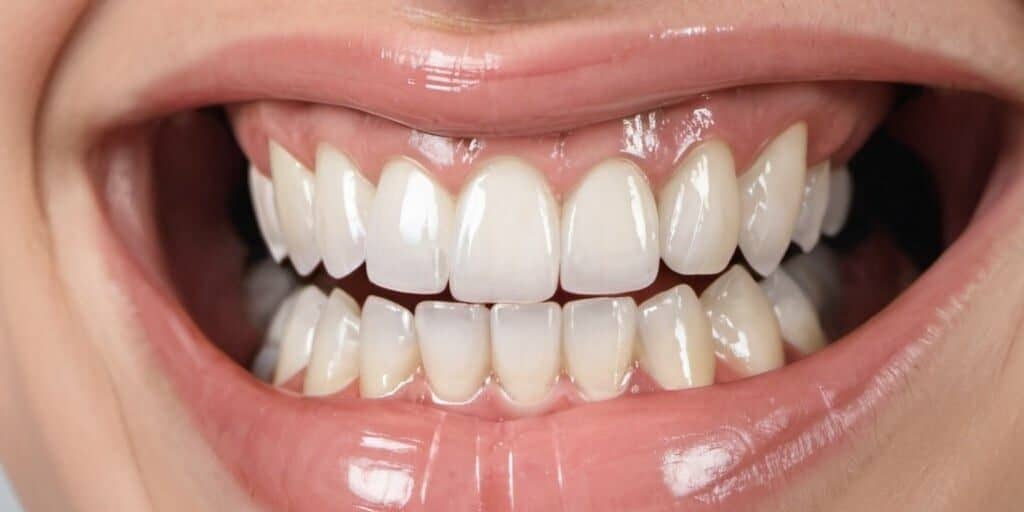
For instance, patients who undergo this treatment report noticeable differences in their teeth’s brightness immediately after the session. The effectiveness of the treatment can vary based on individual factors, such as the initial tooth shade and the extent of coffee-related staining, which can lead to more significant discolouration. Research indicates that coffee-stained teeth may see marked improvements, but ongoing habits and dental care routines also influence results. Keeping Your Smile Bright After Teeth Whitening
Understanding Coffee Staining on Teeth Romford
Coffee contains a variety of acidic and pigmented compounds that can rapidly discolour teeth, especially after whitening treatments. These compounds can penetrate the enamel, causing a change in tooth colour that may be difficult to reverse without professional intervention. While coffee is known for its staining potential, it is noteworthy that it generally causes less staining compared to beverages like tea, cola, and red wine. This is crucial information for coffee drinkers considering teeth whitening, as it suggests that while they may face challenges, their situation is not as dire as it could be.
Moreover, coffee’s high acidity and caffeine content can contribute to enamel erosion, increasing teeth’s susceptibility to stains over time. For example, individuals who consume several cups of coffee daily may notice their enamel becomes thinner, making it more susceptible to discolouration from other foods and beverages. Regular coffee consumption can create a cumulative effect on tooth discolouration, necessitating more frequent whitening treatments to maintain brightness. Studies show that coffee drinkers may need touch-ups every six months rather than annually, underscoring the importance of monitoring consumption habits. Check out Maintenance and aftercare

Long-term Benefits of Laser Teeth Whitening Romford
One of the most significant long-term benefits of laser teeth whitening for coffee drinkers is its ability to effectively target and remove deep stains, with results lasting 6 months to 3 years, depending on individual care and lifestyle choices. When performed by experienced dental professionals, this treatment is considered safe and can substantially enhance aesthetic appearance, positively impacting an individual’s confidence and self-esteem. For many, this boost in self-image not only influences their social interactions but also positively affects their professional lives.
Patients often report feeling more comfortable smiling in public and participating in social gatherings after teeth whitening. Additionally, laser whitening can dramatically improve the overall aesthetic of a smile, making facial features appear more vibrant. For instance, a case study showed that a patient who had struggled with coffee stains for years experienced a renewed sense of confidence after a single whitening session, enabling them to engage more freely in social situations. This psychological benefit is significant for those who are self-conscious about their smiles due to coffee- and other staining agent-related discolouration.
Potential Long-term Risks for Coffee Drinkers Romford
Despite the many benefits of laser teeth whitening, coffee drinkers may face long-term risks associated with the procedure. Increased tooth sensitivity and gum irritation are common side effects after treatment, particularly among individuals who regularly consume coffee. This sensitivity can range from mild discomfort to significant pain, affecting the individual’s ability to enjoy hot or cold beverages, including coffee. Frequent coffee consumption after treatment may also reduce the longevity of the whitening effect, causing discolouration to return more quickly than anticipated. The True Benefits of Teeth Whitening with Ultima White
Moreover, long-term exposure to acidic beverages such as coffee can erode enamel, compromising the durability of whitening results over time. For example, a study found that participants who continued to drink coffee daily after whitening returned to their previous tooth colour more quickly than those who reduced their intake. Some individuals may also develop allergic reactions to the whitening agents used, necessitating alternative treatment options. Therefore, coffee drinkers must weigh these potential risks against the benefits when considering laser teeth whitening.
Post-treatment Care Recommendations
Following laser teeth whitening, individuals are strongly advised to avoid coffee and other pigmented beverages for at least 48 hours to protect the results [1]. During this crucial period, teeth are more porous and susceptible to staining, making it vital to limit exposure to discolouring substances. Strategies such as rinsing with water after drinking staining beverages and using a straw can reduce contact with teeth and mitigate the risk of staining.
In addition to dietary changes, maintaining regular dental check-ups and cleanings is essential for monitoring dental health and preserving the results of the whitening treatment. It is recommended that individuals follow up with their dentist to discuss any sensitivity issues or concerns that may arise post-treatment. Using a gentle, non-abrasive whitening toothpaste can also help prolong the effects of the whitening procedure. Many dentists recommend using toothpaste formulated for sensitive teeth, which can provide additional comfort while helping maintain the smile’s bright appearance.
Maintaining White Teeth with Oral Hygiene Romford
To ensure the longevity of the brightness achieved through laser teeth whitening, regular oral hygiene practices are crucial. This includes daily brushing and flossing, as well as using whitening toothpaste to help maintain the whitening results. Experts recommend waiting 25-30 minutes after drinking coffee before brushing to avoid damaging softened enamel, which can occur immediately after acidic beverages.
Beyond brushing, using a fluoride-containing mouthwash can strengthen enamel and help prevent staining. Chewing sugar-free gum after coffee can stimulate saliva production, which helps neutralise acids and clean the teeth. These practices can significantly extend the longevity of whitening results, especially for coffee drinkers who may otherwise struggle to maintain their bright smiles. Regularly assessing one’s oral hygiene routine and making adjustments based on coffee consumption can lead to better dental outcomes.
Frequency of Whitening Treatments Romford
The frequency of laser teeth-whitening treatments for coffee drinkers can vary significantly based on individual consumption habits and oral hygiene practices. For regular coffee drinkers, treatments may be needed every 6 months to 3 years to maintain desired brightness levels. Scheduling regular consultations with a dentist can help tailor a whitening regimen to personal habits and dental health.
Some coffee drinkers may benefit from touch-up treatments to address minor discolouration that can occur between professional sessions. This proactive approach can prevent more extensive discolouration from developing, allowing for a consistently bright smile. While home whitening kits can complement professional treatments, they should be used with caution to avoid potential enamel damage from improper usage. Understanding one’s unique dental health needs is crucial for determining the ideal frequency of whitening treatments.

Impact of Whitening on Dental Enamel Romford
While laser teeth whitening provides substantial aesthetic benefits, it can also lead to some mineral loss, emphasising the need for professional application and post-treatment care. The temporary porosity of teeth following whitening increases their susceptibility to staining, making careful dietary choices critical during this period. If the whitening process is not appropriately managed, enamel erosion may occur, leading to long-term dental issues that can affect both appearance and health.
To mitigate sensitivity and protect enamel after whitening treatments, the routine use of desensitising agents can be beneficial. These agents can help maintain comfort and protect enamel integrity for coffee drinkers who may otherwise experience heightened sensitivity and discomfort. Incorporating remineralising toothpaste into one’s oral care routine can also help rebuild lost minerals and strengthen enamel after treatment, helping preserve the effects of whitening for as long as possible. Check Our Prices For Teeth Whitening
Suitability of Laser Whitening for Coffee Drinkers Romford
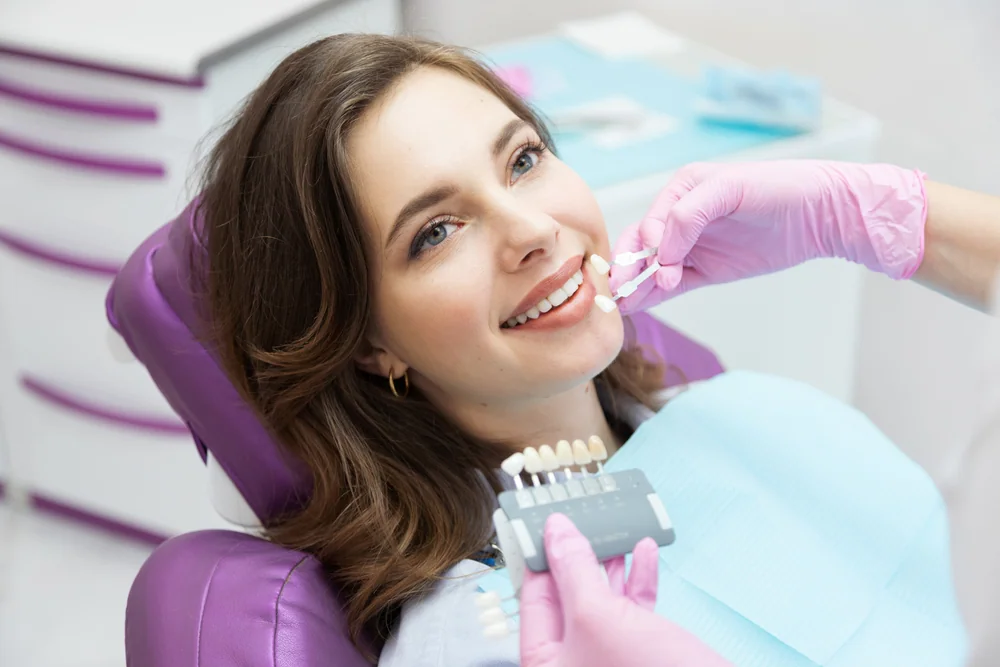
Not everyone is an ideal candidate for laser teeth whitening; those with specific dental conditions should seek professional advice before treatment. This is particularly important for frequent coffee drinkers, as professional oversight ensures tailored care to meet individual needs. Patients with existing dental restorations, such as crowns or bridges, may not achieve the same whitening results, requiring a customised treatment approach.
Individuals should be forthcoming about their complete dental history and coffee consumption habits during consultations to optimise treatment outcomes. For example, a patient who regularly drinks strong, dark coffee may require a different approach than someone who prefers lighter brews. This transparency enables dental professionals to provide the most appropriate recommendations based on each patient’s unique circumstances, ensuring treatments are both practical and safe. How an Improved Diet Can Enhance Your Teeth Whitening Results
Alternative Methods and Their Efficacy
There are numerous alternative teeth whitening methods available, including home bleaching kits, which may yield varying results. Research indicates that coffee causes less staining than other beverages such as tea, cola, and red wine. However, laser whitening offers a more targeted, professional approach than over-the-counter products, resulting in faster, more noticeable results.
While some consumers may opt for natural remedies such as baking soda or activated charcoal, these methods often lack scientific evidence of effectiveness. Many dentists recommend professional treatments over at-home solutions because they are more likely to deliver consistent, satisfactory results. The evidence suggests that individuals seeking significant improvements in tooth brightness should prioritise professional services such as laser teeth whitening to achieve optimal results.
Summary of Long-term Effects and Recommendations for Coffee Drinkers Romford
Laser teeth whitening is a viable option for coffee drinkers seeking a brighter smile, but it requires careful consideration of long-term effects and maintenance. Understanding the relationship between coffee consumption and dental health is crucial for preserving whitening results. Regular consultations with dental professionals can help manage oral health and optimise whitening treatments over time, ensuring coffee drinkers can continue to enjoy their favourite beverage without compromising their dental aesthetics. By following recommended practices and being mindful of their habits, individuals can successfully navigate the challenges of coffee consumption and maintain a radiant smile.
Frequently Asked Questions (FAQs)
1. What is laser teeth whitening, and how does it work for coffee drinkers?
Laser teeth whitening is a professional cosmetic dental treatment that uses a laser-activated whitening gel to remove deep stains from the enamel. It’s particularly effective at eliminating persistent stains from frequent coffee consumption.
2. How quickly will I see results from laser teeth whitening?
You can see noticeable whitening results in under 1 hour with a single session, making laser whitening much faster than most over-the-counter kits.
3. Can coffee drinkers still enjoy coffee after laser whitening?
Yes, but to protect your results, you should avoid drinking coffee for at least 48 hours after treatment, as teeth are more porous and susceptible to staining immediately after whitening.
4. Why are teeth more vulnerable to coffee staining after whitening?
After whitening, the enamel temporarily becomes more porous, allowing coffee’s dark pigments (tannins) to penetrate more easily and cause stains if consumed too soon.
5. Can I drink coffee at all if I’m a regular coffee drinker?
Yes — but ongoing heavy coffee consumption can gradually reduce whitening results more quickly than if you reduced intake or used habits that minimise staining (e.g., drinking with a straw, rinsing after drinking).