Understanding the Impact of Coffee on Teeth Post-Whitening Romford
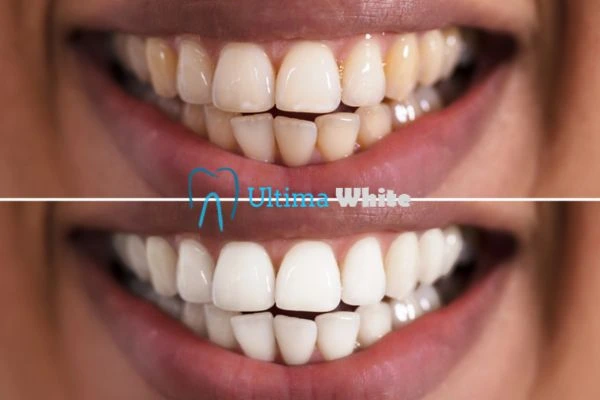
After teeth whitening, your enamel is left in a fragile state, making it more porous and susceptible to staining. This increased porosity allows pigments from food and beverages to penetrate the enamel more easily, heightening the need for vigilance regarding your post-treatment diet. Coffee, in particular, is notorious for its dark colour and acidity, which can lead to significant discolouration if consumed prematurely after whitening. The acids in coffee can also contribute to further enamel erosion, increasing the risk of stains and making your teeth more sensitive during this period.
For example, a person who drinks a cup of coffee within the first 48 hours post-whitening may find that their previously bright smile begins to dull much sooner than anticipated. This is mainly due to the staining compounds in coffee infiltrating the newly treated enamel, which has not yet entirely set and is not yet sealed against external influences. Therefore, it is essential to understand these risks and plan your coffee consumption accordingly, ensuring that you can enjoy your beverage of choice without compromising your dental aesthetics.
Moreover, the impact of coffee on your teeth does not only relate to immediate staining. Long-term coffee consumption can cause cumulative effects, with minor discolouration building up over time and resulting in more pronounced yellowing of the teeth. This is particularly concerning for individuals who consume coffee daily, as the repeated exposure can significantly undermine the effects of whitening treatments, making it crucial to adhere to dietary guidelines. Cosmetic Dentistry Made Easy: Mastering the Art and Science
Effects of Coffee on Whitened Teeth Romford
The effects of coffee on recently whitened teeth can be quite pronounced due to its dark pigments and acidity. After a whitening treatment, teeth are particularly prone to discolouration, as the enamel is more porous and sensitive during the initial recovery phase. This increased susceptibility means coffee can stain teeth quickly, which is why dental professionals often recommend avoiding such beverages shortly after the procedure. The combination of coffee’s rich colour and acidity can accelerate the discolouration process, diminishing the benefits of the whitening treatment.
Consider this: someone who drinks multiple cups of coffee a day may notice their teeth appear less white within a few weeks after the whitening procedure, especially if they haven’t followed proper aftercare guidelines. This highlights the cumulative impact of regular coffee consumption on tooth colour, suggesting that even a single cup can have lasting effects if not appropriately managed. The temporary sensitivity that often accompanies whitening treatments further complicates the situation, as individuals may be more inclined to consume hot beverages like coffee, which can exacerbate discomfort.
Additionally, the role of coffee’s acidity cannot be overlooked. Regular consumption can gradually erode enamel, not only contributing to staining but also increasing sensitivity to hot and cold. The risk of developing long-term dental issues is a concern for those who do not maintain good dietary habits after whitening, making it essential to adopt a balanced approach to coffee consumption.

Recommended Waiting Period Romford
To protect your newly whitened teeth, it is advisable to avoid drinking coffee for at least 48 hours after the whitening procedure. This waiting period is crucial as it allows the enamel to re-harden and become less permeable to stains. Ideally, waiting up to a week before reintroducing coffee can further safeguard your whitening results, helping your smile stay bright and radiant for as long as possible. This timeframe is recommended not just to prevent staining, but also to allow your teeth to stabilise in their newly whitened state.
However, individual sensitivity can vary greatly. Some people may find that their teeth are especially sensitive for longer, making it beneficial to wait even longer before drinking coffee. For example, someone with naturally sensitive teeth may choose to hold off on their favourite beverage for a week or more to avoid discomfort or discolouration. This precaution can be vital for maintaining the integrity and aesthetics of your smile.
Moreover, it’s not just about the waiting period. The method of reintroducing coffee into your diet is equally important. When you decide to have coffee again, start with small amounts and gradually increase your intake while monitoring your teeth for any signs of sensitivity or discolouration. This cautious approach can help you enjoy coffee without sacrificing the benefits of your whitening treatment.
Foods and Drinks to Avoid Post-Whitening Romford
Beyond coffee, there are several other foods and drinks to avoid for at least the first 48 hours after teeth whitening. Staining beverages such as tea and red wine share properties that can quickly cause discolouration of your newly whitened teeth. These drinks not only contain dark pigments but also have acidic components that can further compromise enamel integrity.
Additionally, highly pigmented foods such as blueberries, blackberries, and beets should be avoided during this critical period. These foods can stain teeth and should be avoided for the first 48 hours after whitening to ensure optimal results. Acidic drinks, including sodas and citrus juices, can also weaken enamel and should not be consumed immediately after the procedure. For instance, drinking a glass of orange juice immediately after whitening can cause staining and reduce the treatment’s effectiveness.
This careful consideration of diet extends beyond just the first couple of days. Even after the initial waiting period, it is wise to remain selective in your food choices. While you may be eager to return to your usual diet, be cautious about staining foods and beverages for at least a week to help maintain the longevity of your whitening results. Emphasising a diet of lighter-coloured, less acidic foods can help preserve the brightness of your smile. Achieve a Stunning Smile with Dental Veneers
Safe Foods and Drinks After Whitening Romford
Once the initial 24 hours have passed, you can begin reintroducing safe foods and drinks to your diet. Foods that are gentle on your enamel, such as white meats, dairy products like milk and cheese, and non-pigmented vegetables like cauliflower and potatoes, are excellent choices. These foods not only support your body’s nutritional needs but also help to maintain overall dental health, which is crucial after a whitening procedure.
Hydrating with plenty of water is also essential, as it helps rinse away food particles and neutralise acids that could cause erosion or staining. For instance, pairing your meals with water can help maintain your teeth’s brightness by washing away potential stains before they settle. Moreover, eating foods that are low in acidity can further reduce the risk of enamel erosion, thereby protecting your newly whitened teeth.
As you reintroduce safe foods, consider incorporating crunchy vegetables like apples and carrots, which can naturally help clean your teeth while you chew. These foods can act as a natural toothbrush, helping to remove plaque and surface stains. This approach not only helps maintain your bright smile but also adds variety to your diet, so you don’t feel deprived after your whitening treatment.
Tips for Maintaining Teeth Whiteness Romford
To maintain the brightness of your teeth after whitening while still enjoying coffee, several strategies can help. One highly effective method is to swish with water immediately after consuming staining beverages. This action can neutralise acids and help wash away pigments that might otherwise adhere to your teeth.
Using a straw when drinking coffee is another practical tip that can significantly reduce direct contact between the beverage and your teeth, thereby lowering the risk of staining. This technique is particularly beneficial for those who enjoy iced coffee, as it allows you to indulge without compromising your dental aesthetics. Additionally, incorporating a whitening toothpaste into your daily dental hygiene routine will help maintain brightness and remove surface stains that can develop over time.
It’s also wise to establish a routine that includes regular dental visits for professional cleanings and check-ups. These appointments can help address any concerns before they become problematic and allow your dentist to provide tailored advice on maintaining your whitening results. For example, if you notice any discolouration, your dentist can recommend specific treatments or products that suit your individual needs.

Coffee Alternatives That Won’t Stain Teeth Romford
If you’re concerned about staining but still wish to enjoy a warm beverage, there are several coffee alternatives to consider. Switching to low-acid coffee options can significantly reduce the potential for discolouration while still allowing you to enjoy the flavour of coffee. These alternatives are designed to be gentler on your enamel and can often taste just as satisfying without the associated risks.
Herbal teas, particularly those that are light in colour, and white teas are excellent alternatives that are unlikely to stain your teeth. These beverages not only provide a satisfying drink but also offer various health benefits, including antioxidants that can enhance your overall wellness. For instance, chamomile tea can be a calming alternative that helps you unwind without worrying about your teeth.
Cold brew coffee has gained popularity for its lower acidity compared to traditional brewing methods. This makes it a better choice for those looking to indulge without risking their dental aesthetics. By opting for these alternatives, you can satisfy your cravings while still taking good care of your teeth, ensuring that your smile remains bright and healthy. With Ultima, you will receive the very best treatment to give you a brilliantly white smile
Role of Ultimawhite in Post-Whitening Care Romford
Ultimawhite products can help maintain the brightness of your teeth between professional whitening treatments. Incorporating a whitening toothpaste into your daily oral care routine not only enhances your whitening results but can also help strengthen enamel and prevent future stains. This is particularly beneficial for individuals who regularly consume staining foods and beverages, as it provides an added layer of protection for their teeth.
Many Ultimawhite formulations contain ingredients designed to protect enamel and combat stains, which is essential for coffee drinkers who may be more susceptible to discolouration. Using these products as part of a comprehensive oral hygiene routine can help you maximise the benefits of your whitening treatment and ensure that your smile remains radiant.
Additionally, consider using Ultimawhite products alongside professional dental cleanings. Regular check-ups allow your dentist to monitor the condition of your enamel and provide personalised recommendations for maintaining your teeth’s brightness. For example, if you notice early signs of staining, your dentist may recommend specific Ultimawhite products that are particularly effective in combating it.
Oral Hygiene Practices for Coffee Drinkers Romford
Maintaining good oral hygiene is paramount for coffee drinkers, especially after whitening treatments. Regular brushing and flossing are essential for removing food particles and plaque that can contribute to stains. Establishing a routine that includes brushing twice a day and flossing daily can significantly improve your overall dental health, helping keep your teeth bright and free of discolouration.
Scheduling regular dental check-ups is equally essential, as these appointments allow your dentist to monitor your tooth health and address any potential concerns promptly. During these visits, your dentist can provide tailored advice on maintaining your teeth’s brightness and recommend professional treatments if necessary. For instance, if you notice that your teeth are becoming dull, your dentist may suggest a professional whitening touch-up or a specific oral care regimen. The Stressful Truth: How Stress Impacts Your Oral Health
Using a fluoride mouthwash can also strengthen enamel and reduce sensitivity, providing additional protection against coffee stains. This simple addition to your oral care routine can make a significant difference in your long-term dental health. For example, rinsing with a fluoride mouthwash after drinking coffee can help neutralise acids and fortify your enamel against potential erosion.
Actions to Take if Coffee is Consumed Too Soon Romford
If you accidentally consume coffee within the first 48 hours after whitening, it’s vital to act quickly to prevent staining. Brushing your teeth immediately or rinsing your mouth with water can help minimise the impact of the coffee on your enamel. However, if brushing isn’t feasible, rinsing your mouth thoroughly with water is a good first step to reduce the likelihood of stains.
Consulting your dentist about potential maintenance treatments may also be beneficial if you notice any discolouration. They can assess the situation and guide the best course of action, which may include additional whitening treatments or recommendations for at-home care. For instance, your dentist might suggest using a specific whitening toothpaste to address any immediate staining.
It is crucial to wait 25-30 minutes before brushing after drinking coffee to avoid damaging softened enamel. This waiting period allows your enamel to re-harden, reducing the risk of erosion while you maintain good oral hygiene practices.

Long-Term Care for Whitened Teeth
To prolong the effects of teeth whitening, it’s beneficial to limit coffee consumption. By reducing how often you drink dark beverages, you can help maintain your bright smile longer. This doesn’t mean you have to eliminate coffee; be mindful of your intake and opt for moderation.
Touch-up whitening treatments, as needed, will also help keep your teeth looking their best. Many individuals find that scheduling a touch-up appointment every six months or so can significantly enhance the longevity of their whitening results. Additionally, maintaining a balanced diet rich in calcium and vitamin D supports overall dental health and helps preserve the longevity of your whitening results. Foods such as leafy greens, dairy products, and even certain fish can play a vital role in keeping your enamel strong and healthy.
Moreover, maintaining good oral hygiene at home is critical for long-term care. Regularly using whitening products, such as toothpaste and mouthwash specifically designed to combat stains, can help preserve the brightness of your smile. By combining these practices with mindful dietary choices, you can significantly enhance the effectiveness of your whitening treatment and maintain a dazzling smile.
Impact of Acidic Foods and Drinks
Acidic foods and drinks can weaken enamel, making your teeth more prone to stains post-whitening. During the first 48 hours after treatment, it is particularly advisable to avoid citrus fruits and sodas, which can exacerbate erosion and increase sensitivity. Consuming these items can hinder the hardening of your enamel, leaving it vulnerable to discolouration from other foods and drinks.
In addition to avoiding acidic foods, incorporating more alkaline foods into your diet can help neutralise acids and protect enamel. Foods like bananas, almonds, and green vegetables can provide necessary nutrients while maintaining a balanced pH in your mouth. This dietary adjustment can significantly enhance your overall oral health, particularly after a whitening procedure.
Moreover, understanding the cumulative effect of dietary habits on your teeth is essential. Regularly consuming acidic foods can lead to long-term enamel erosion, making it even more critical to be mindful of your choices after whitening. By prioritising a diet that supports your dental health, you can enjoy the benefits of whitening treatments for much longer.
Best Practices for Reintroducing Coffee
When you’re ready to reintroduce coffee into your diet, do so gradually to monitor any effects on your teeth’s whiteness. Starting with small amounts can help you gauge how your teeth respond to coffee after whitening. It is advisable to pay attention to any changes in sensitivity or colour to ensure that you are not compromising the results of your treatment.
Adding milk to your coffee can also lighten its colour and reduce the likelihood of staining. This simple adjustment can make a noticeable difference in how your teeth react to the beverage. Additionally, opting for less frequent coffee consumption can further minimise the risk of staining, allowing you to enjoy your favourite drink without sacrificing your smile’s brightness. Why do the Bleaching trays take so long
Another best practice is to choose low-acid coffee options or cold brew, which are less likely to lead to discolouration. By selecting these alternatives, you can satisfy your coffee cravings while being gentler on your teeth. This balanced approach allows you to enjoy coffee without the associated risks, ensuring your smile remains as bright as possible.
FAQs About Post-Whitening Care Romford
- Can I drink coffee after teeth whitening? It is best to wait at least 48 hours, ideally up to a week. This waiting period is crucial for allowing your enamel to recover and become less porous.
- How do I maintain whiteness despite drinking coffee? Use a straw, rinse after drinking, and maintain good oral hygiene. This multifaceted approach can help mitigate staining and keep your bright smile.
- Is it safe to consume other staining foods after whitening? It’s best to avoid all staining foods for at least 48 hours. This includes beverages such as tea and red wine, and foods such as dark fruits.
Final Thoughts on Dietary Considerations for Coffee Drinkers Post-Whitening Romford
Adhering to these dietary considerations and oral hygiene practices can help coffee drinkers maintain the whiteness of their teeth after treatment. With proper care and informed choices, it’s entirely possible to enjoy coffee while preserving a radiant smile. Staying informed about the dietary impacts on whitening will lead to better oral health outcomes and prolonged results. By taking a proactive approach to your coffee consumption and following the recommendations outlined, you can strike a balance between enjoying your favourite beverage and maintaining the results of your whitening treatment.